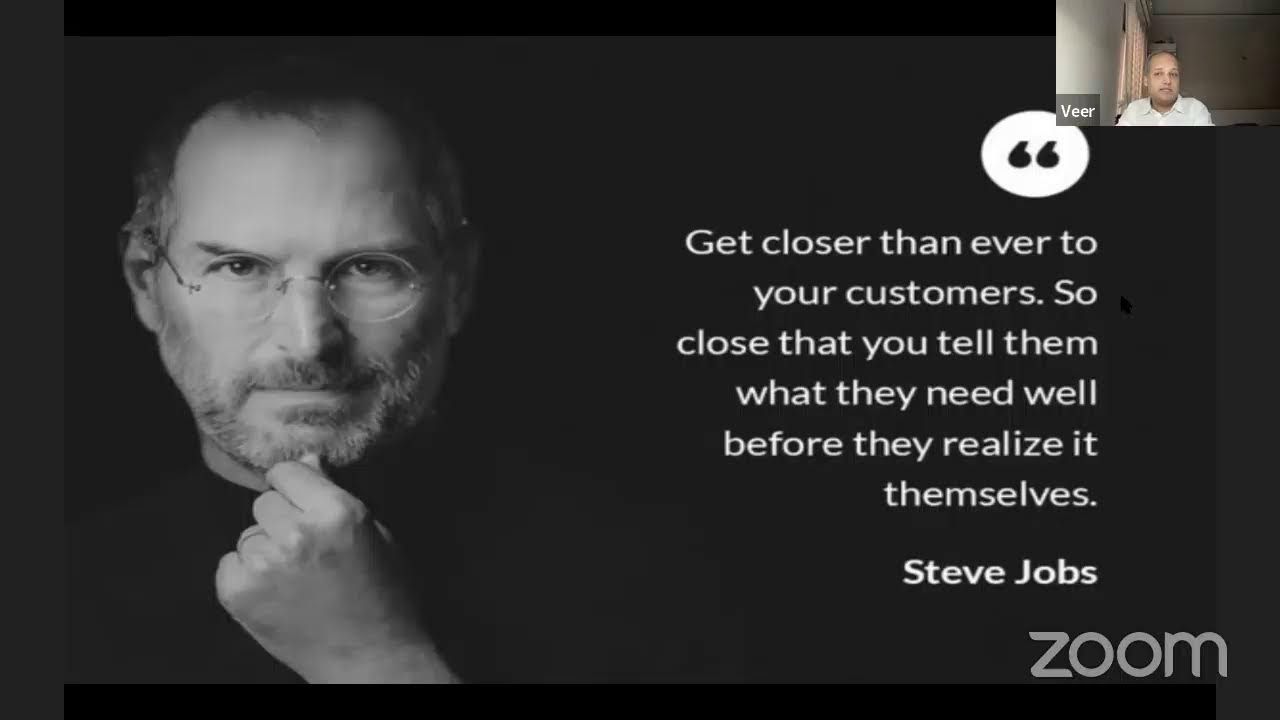
VeerChand Bothra, Managing Partner at zero one zero one, reveals how SaaS sales fundamentally differs from traditional approaches. He explains that the product itself is now a primary selling tool, driving a new buyer journey where online research and self-service trials precede sales interactions. This shift demands a new playbook where product, marketing, and sales teams collaborate to empower buyers.
In a SAS scenario there's a third entity which comes into the mix which is the product team because many a times the product is the first, you know, it's mostly a free trial product, it's a try and buy method.— Veer
Unlike traditional sales that rely heavily on human interaction, the SaaS sales model places the product itself at the forefront of the sales journey. This approach leverages a strong online presence, engaging websites, and readily available free trials or freemium versions. Prospective customers can directly interact with the product, experiencing its value firsthand before or during any sales engagement.
The product acts as an initial salesperson, demonstrating its capabilities and allowing users to self-qualify. This hands-on experience builds trust and understanding, making subsequent sales conversations more efficient and focused on specific needs rather than basic feature explanations.
The way B2B buyers discover and evaluate solutions has undergone a significant transformation, mirroring consumer behavior. Today's B2B buyers are empowered by information, conducting extensive online research before engaging with sales teams. They explore product websites, consult independent review platforms like G2.com, and often experience products through trials.
This shift means that the initial stages of the buyer journey are largely self-directed. Businesses must ensure their online presence is robust, informative, and engaging, providing all the necessary details and social proof a buyer needs to form an opinion before a sales call, making the product's digital footprint crucial.
A fundamental aspect of SaaS sales is the "try and buy" model, which allows potential customers to experience the product's value directly. This could involve free trials, freemium versions, or interactive demos that provide hands-on access to key features. A great example is Canva, where users can try out the design tools for free before committing to a paid subscription.
This approach builds confidence and clearly demonstrates the product's utility and benefits. By allowing users to solve real problems with the software, it reduces perceived risk and helps them understand how the product integrates into their workflow, making the purchasing decision a natural progression rather than a leap of faith.
In the SaaS landscape, the traditional sales paradigm involving just marketing and sales teams is incomplete. A critical third entity, the product team, is now an integral part of the sales funnel. The product's design, user experience, and the effectiveness of its free trial directly influence lead quality and conversion rates.
This means that product development is no longer isolated but must be deeply aligned with sales and marketing objectives. A seamless and intuitive product experience, especially during the initial trial phase, can significantly reduce friction in the sales process and empower customers to move further down the funnel independently, making the product team a vital revenue driver.
In SaaS, the product itself is a critical selling tool, often providing the first interaction through free trials or online experiences. This integrates the product team directly into the sales equation, making their input on user experience and feature set crucial for conversion, far beyond lead generation or closing deals.
Mirroring B2C behavior, B2B buyers now use online resources like review sites and product websites to inform their decisions. This shifts the initial stages of the buying journey away from direct sales engagement, requiring businesses to prioritize a strong digital presence and accessible product information.
SaaS products are often built with a 'try and buy' model in mind, where the product's functionality and user experience directly facilitate customer self-qualification and conversion. This reduces reliance on traditional sales pitches, making the product's ability to demonstrate value paramount to its sales success.
What specific problem are you trying to solve, and how have you tried to solve it before?
Understanding current pain points & existing solutionsWhat online resources or reviews did you consult before reaching out to us?
Assessing buyer's self-research journey & information sourcesIf you were to try our product for free, what key features would you prioritize to evaluate its value?
Gauging product-led qualification & critical feature identificationWho else in your team would be involved in evaluating and using a new solution like ours?
Mapping internal stakeholders beyond the primary contactBeyond the initial purchase, what does success look like for your team using this type of product in the long term?
Focusing on user adoption, long-term value, and ROIHow do you envision our product integrating with your existing tech stack or workflows?
Identifying potential integration hurdles or opportunitiesYour role evolves from direct selling to facilitating the buyer's self-discovery journey. Focus on understanding their needs and then guiding them to experience the product's value through trials, rather than just delivering a monologue. Leverage product usage data to personalize conversations and address specific pain points.
From day one, build your SaaS product with a "try and buy" philosophy. Ensure an intuitive onboarding experience, clear value proposition, and accessible self-service options. Your product should be your most effective salesperson, driving user engagement and demonstrating value proactively to reduce reliance on heavy sales teams.
Focus on generating educational content, use cases, and success stories that address common buyer questions and objections. Optimize your website and digital channels for search and discovery, ensuring potential customers can easily find information, reviews, and access to trials before ever speaking to sales.
Familiarize yourself with SaaS business models, product-led growth strategies, and the modern B2B buyer journey. Develop skills in digital marketing, customer success, and product analytics, as these areas are increasingly integrated into the SaaS sales ecosystem. Learning how product experience drives sales is a key modern skill.
One of the things we need to realize is that in large Enterprises there used to be a difference between a buyer and a user… but today what has happened in the last five to ten years is like we all do in our personal lives where we actually go and research online and buy offline many times or research online and buy online right so that buyer behavior has changed and so has B2B buyer behavior changed.— Veer
VeerChand Bothra is a seasoned business leader and the Managing Partner at zero one zero one, a martech agency specializing in enterprise solutions. Previously, he served as Chief Strategy Officer at Netco Solutions and was part of the cxo group at Curiosity Gym. With extensive experience in strategic roles, VeerChand passionately advocates for the evolving landscape of SaaS sales, emphasizing product-led growth and the modern buyer's journey.
Managing Partner at zero one zero one · Chief Strategy Officer at Netco Solutions · CXO Group at Curiosity GymJoin thousands of Indian professionals learning from industry experts.
Explore All Courses →